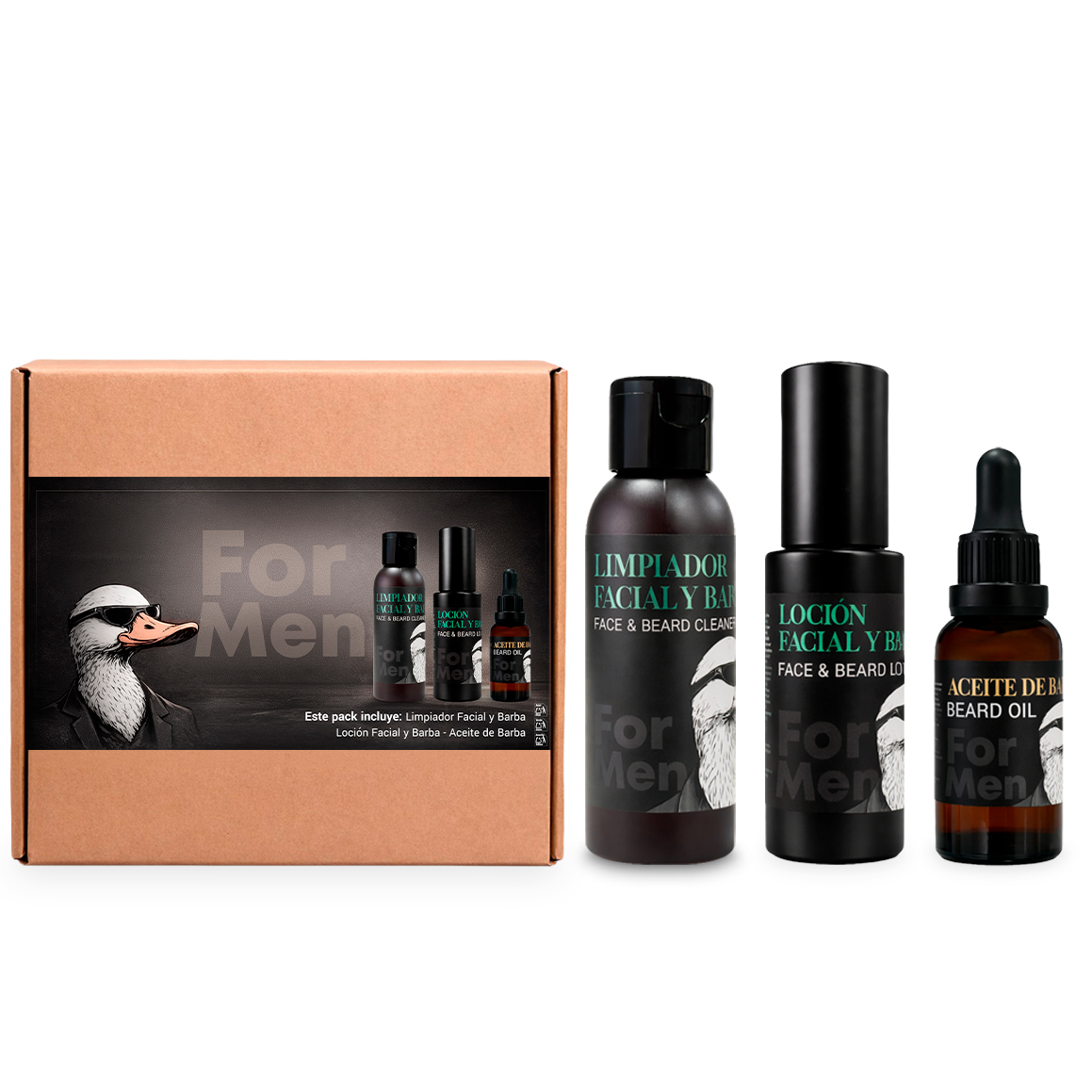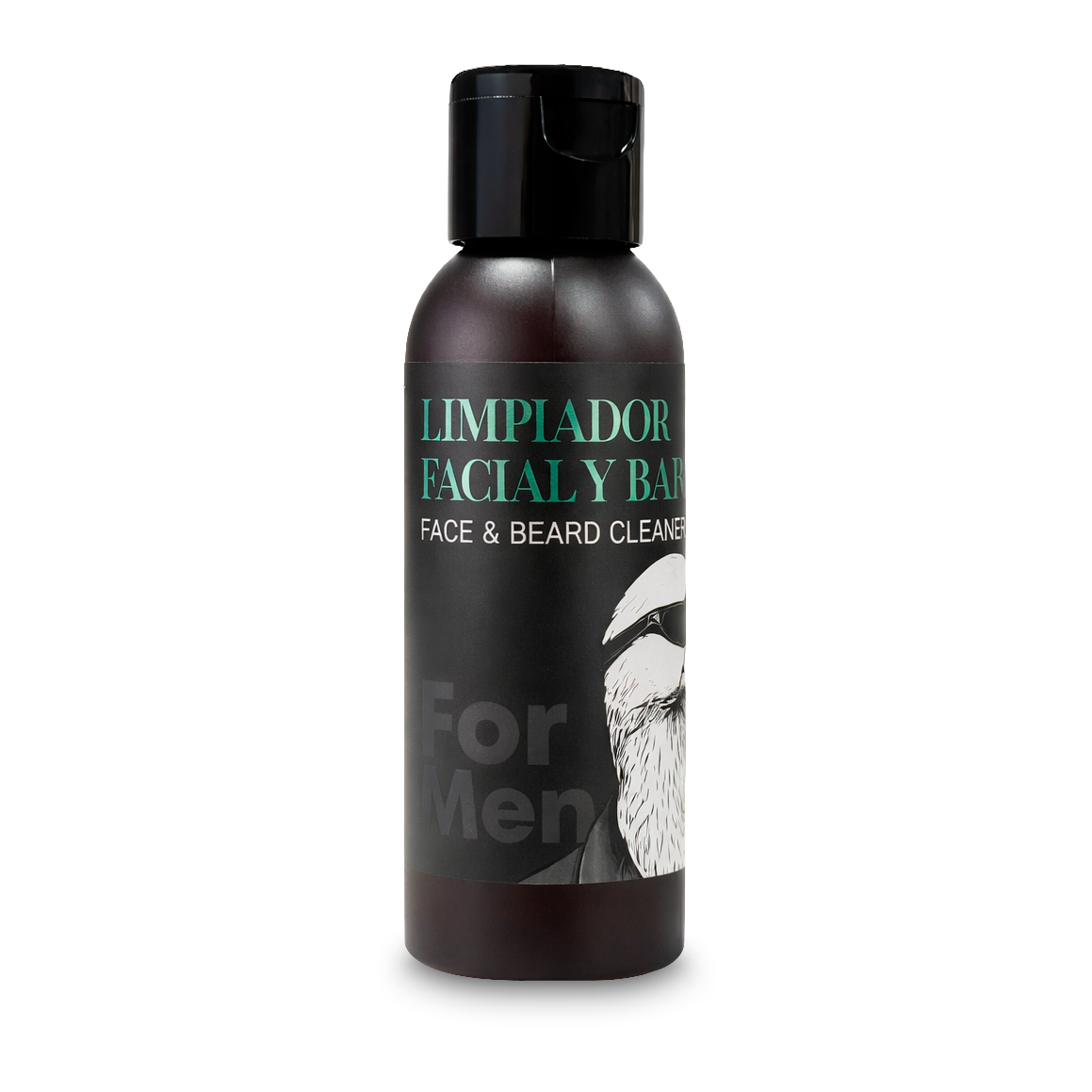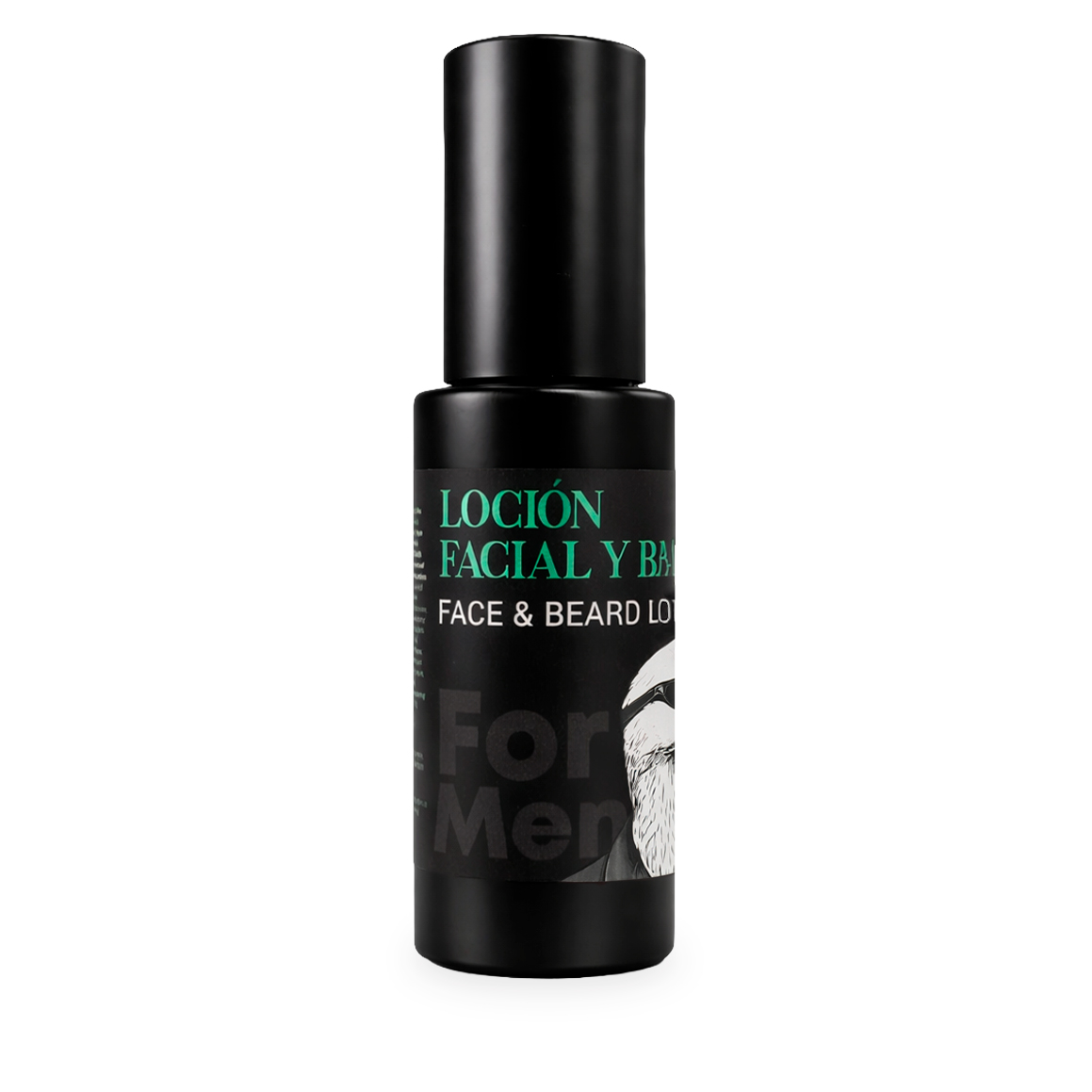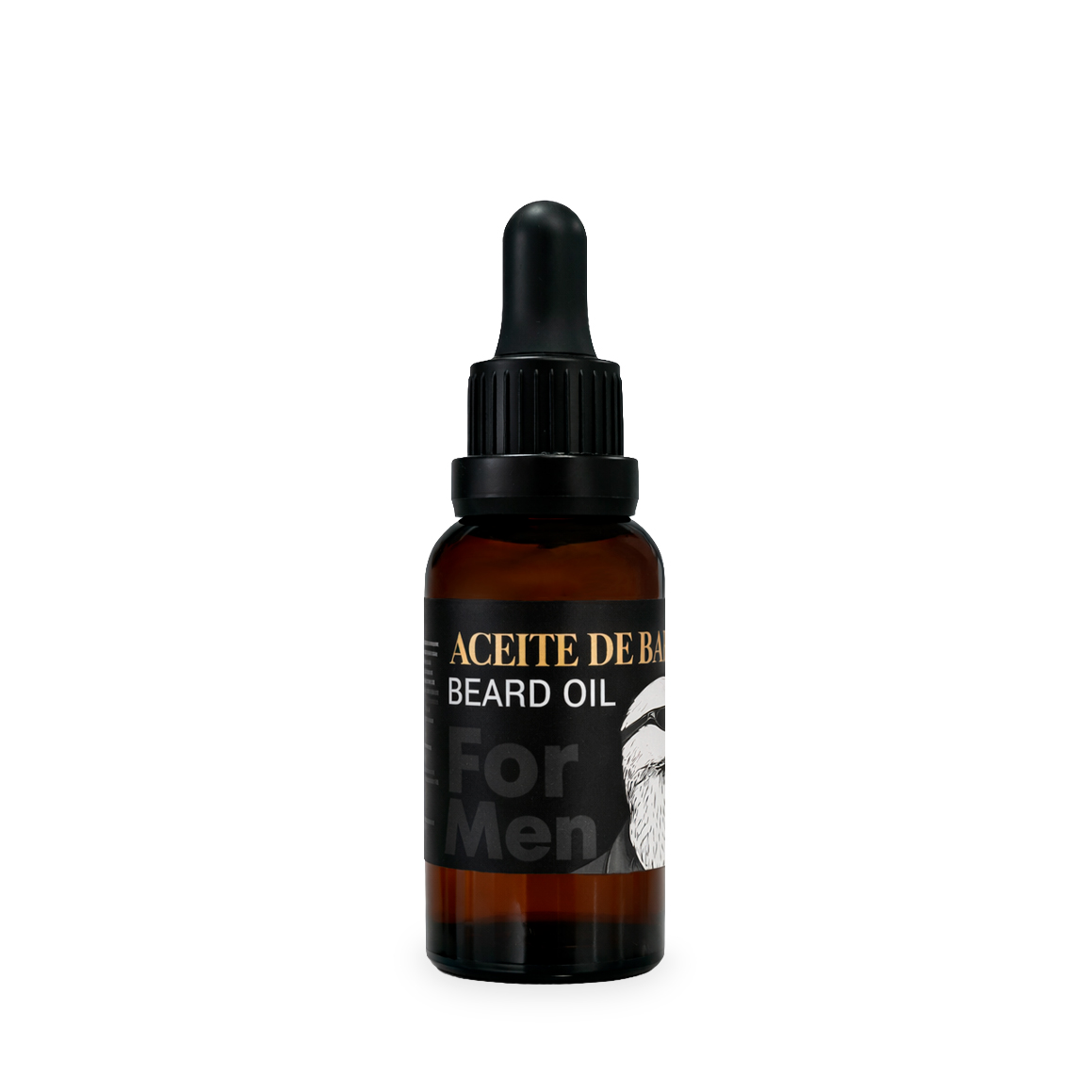
Colección For Men
Descubre el pack completo o sus productos
The challenge of winter
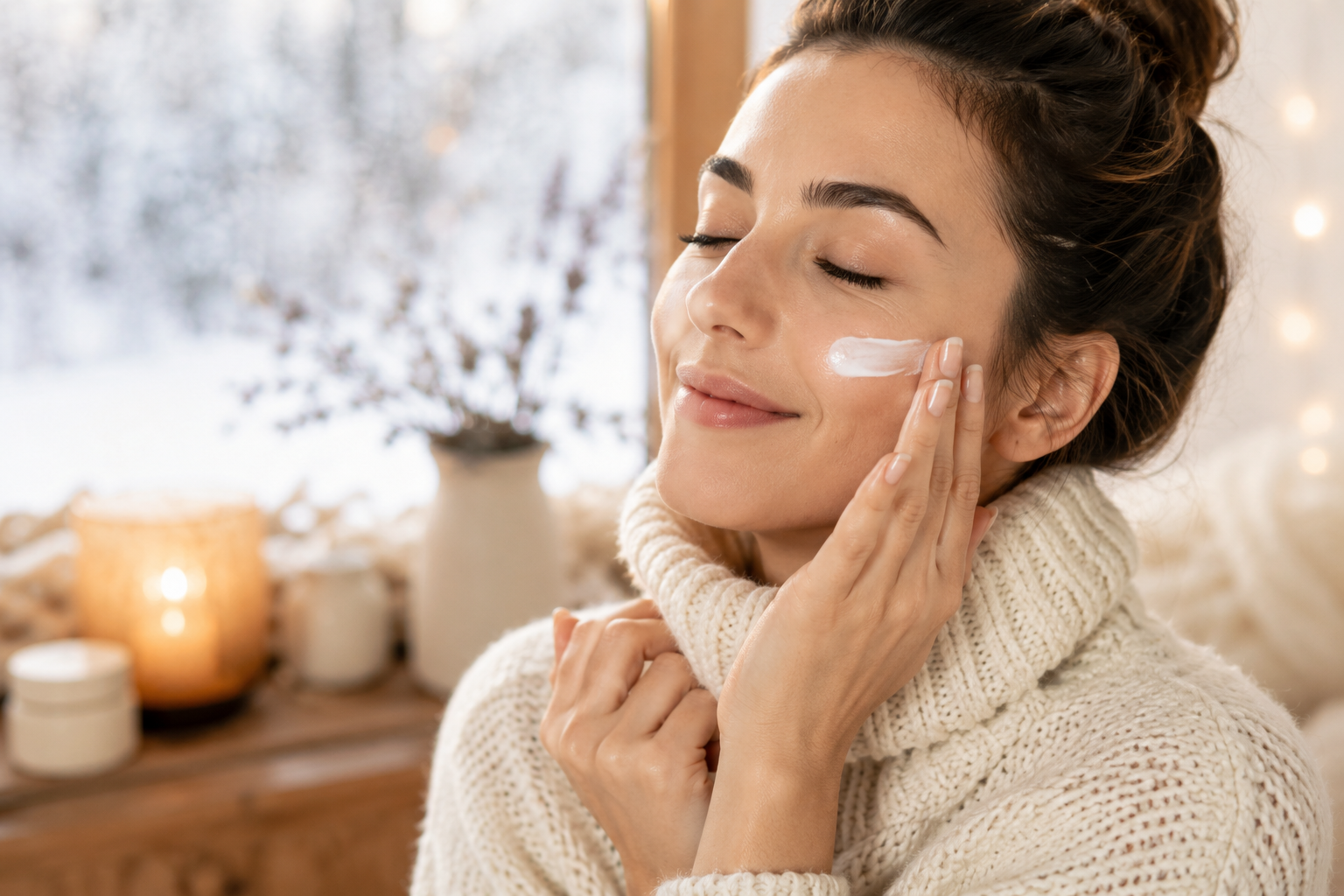
Winter brings cozy moments, but for our skin, this season presents a challenge. Low temperatures and the contrast with central heating can dehydrate the skin, leading to feelings of tightness or dullness. We suggest adjusting your skincare routine and products to keep your face protected and vibrant during the colder months.
During winter, low humidity and the use of heating can contribute to increased transepidermal water loss. Additionally, cold winds can affect the skin’s natural lipid barrier. The skin may lose some of its ability to retain moisture, often resulting in the dryness typical of the season.
We suggest opting for richer creams that act as a protective shield. Consider formulas that include ingredients like ceramides, glycerin, or hyaluronic acid, which help seal in moisture, especially after showering.
While very hot water may be tempting, it’s advisable to use lukewarm water. Very hot showers can dissolve the natural oils that protect your skin.
UVA rays penetrate clouds and glass, contributing to premature aging. We recommend incorporating a broad-spectrum sunscreen as the final step in your daily routine, regardless of whether the day is overcast.
Partner with botanical oils and butters like shea, sweet almond, or rosehip, which can improve elasticity. Remember to prioritize creamy, sulfate-free cleansers to maintain your skin’s natural defenses. Finally, staying hydrated from the inside out (by drinking plenty of water) and using a humidifier in enclosed spaces can make a positive difference to your daily comfort.

Conclusion: Winter doesn’t have to compromise your skin’s health. By adjusting your routine with nourishing products, being consistent with sun protection, and taking care of your hydration from within, you’ll maintain a strong and comfortable skin barrier all season long. Listening to your skin is key: give it the pampering and protection it needs and enjoy a healthy, radiant complexion, no matter how low the temperatures drop.
Take care of your skin barrier and enjoy winter!