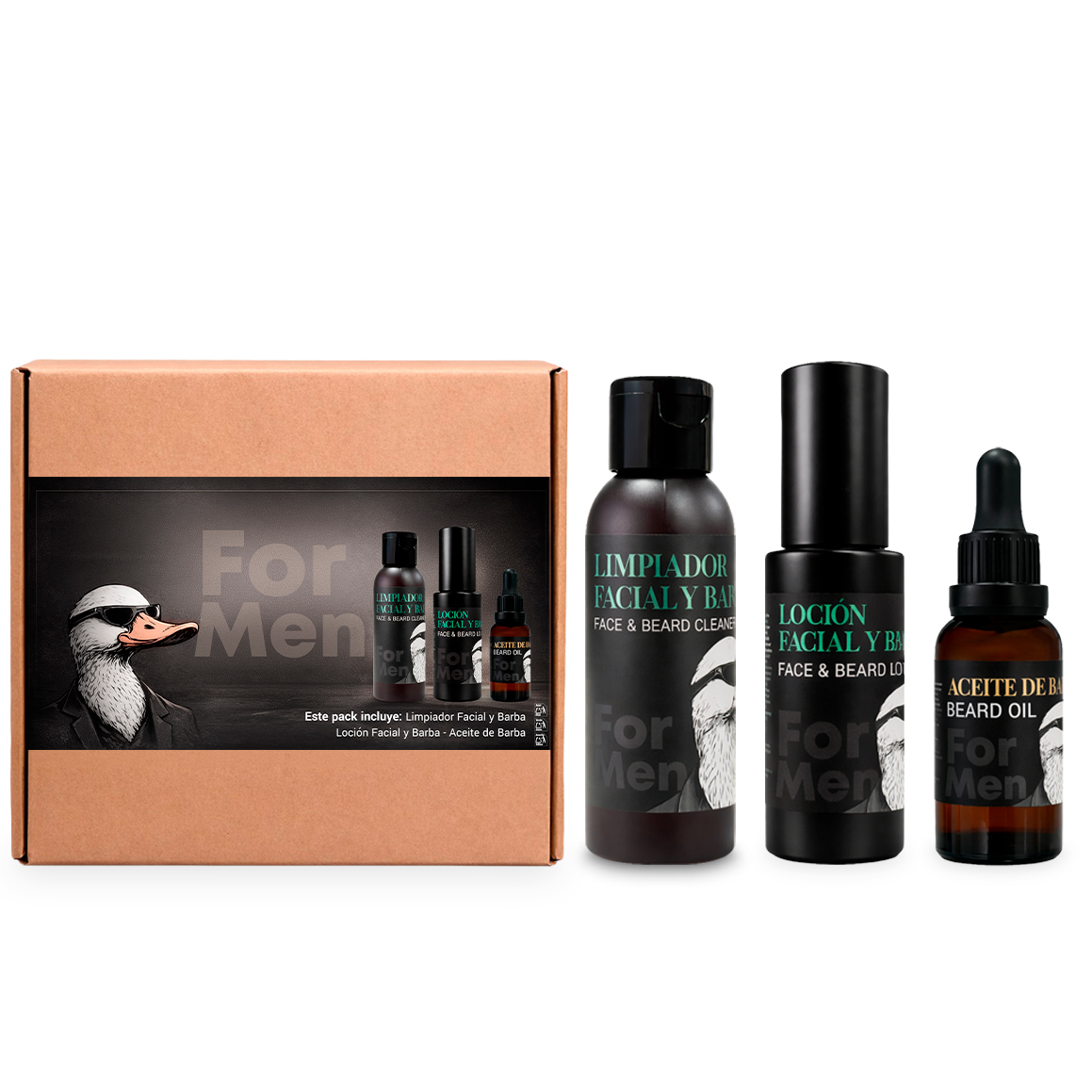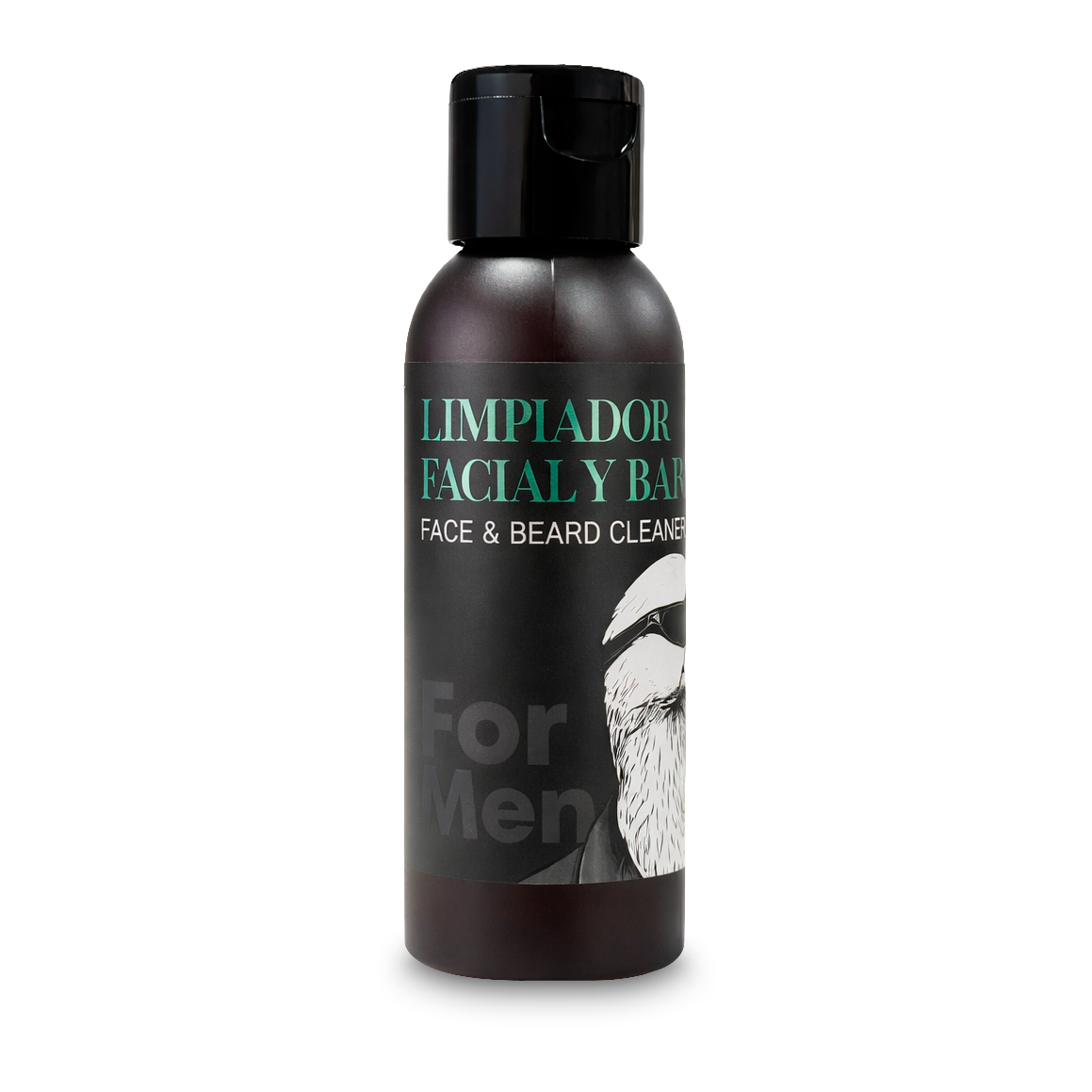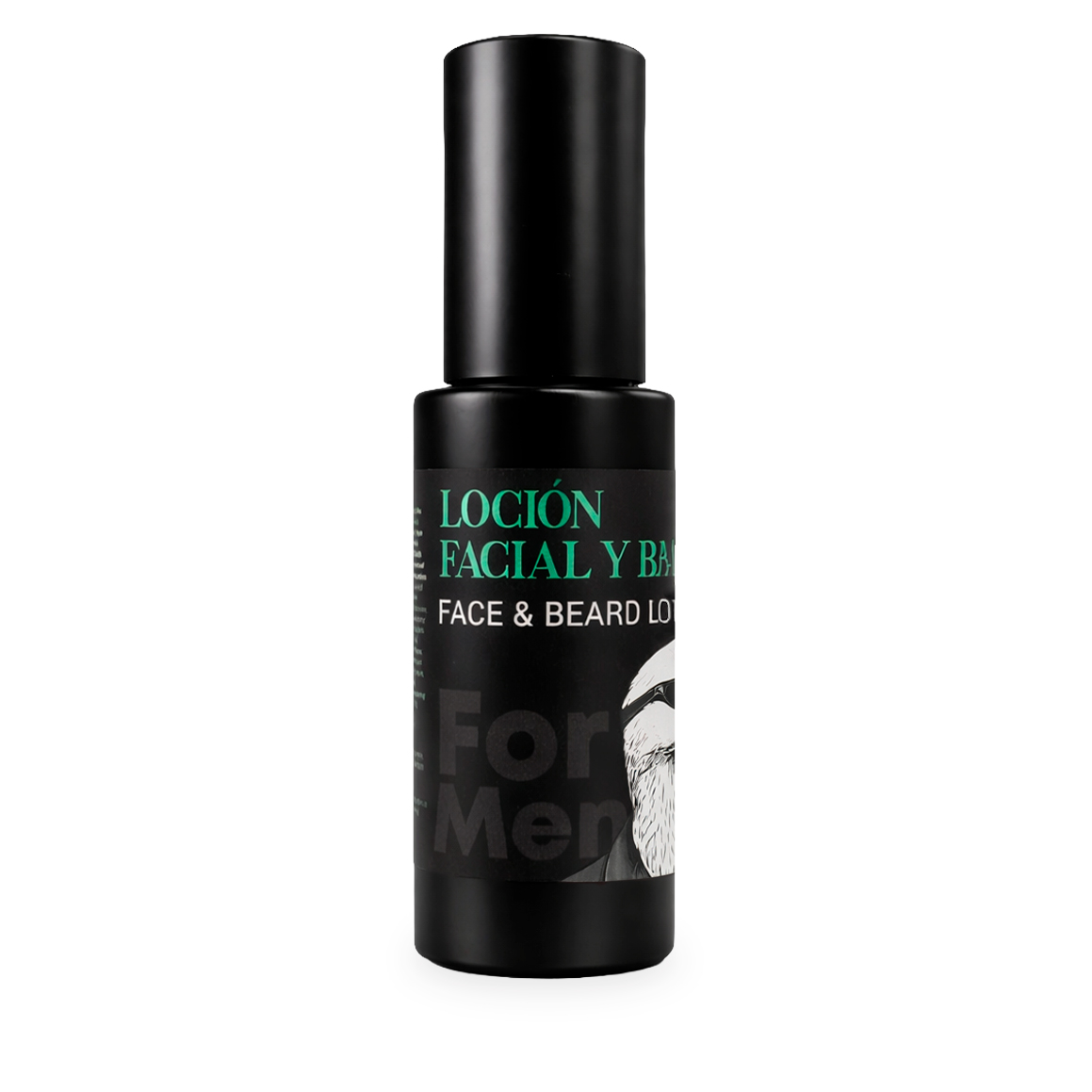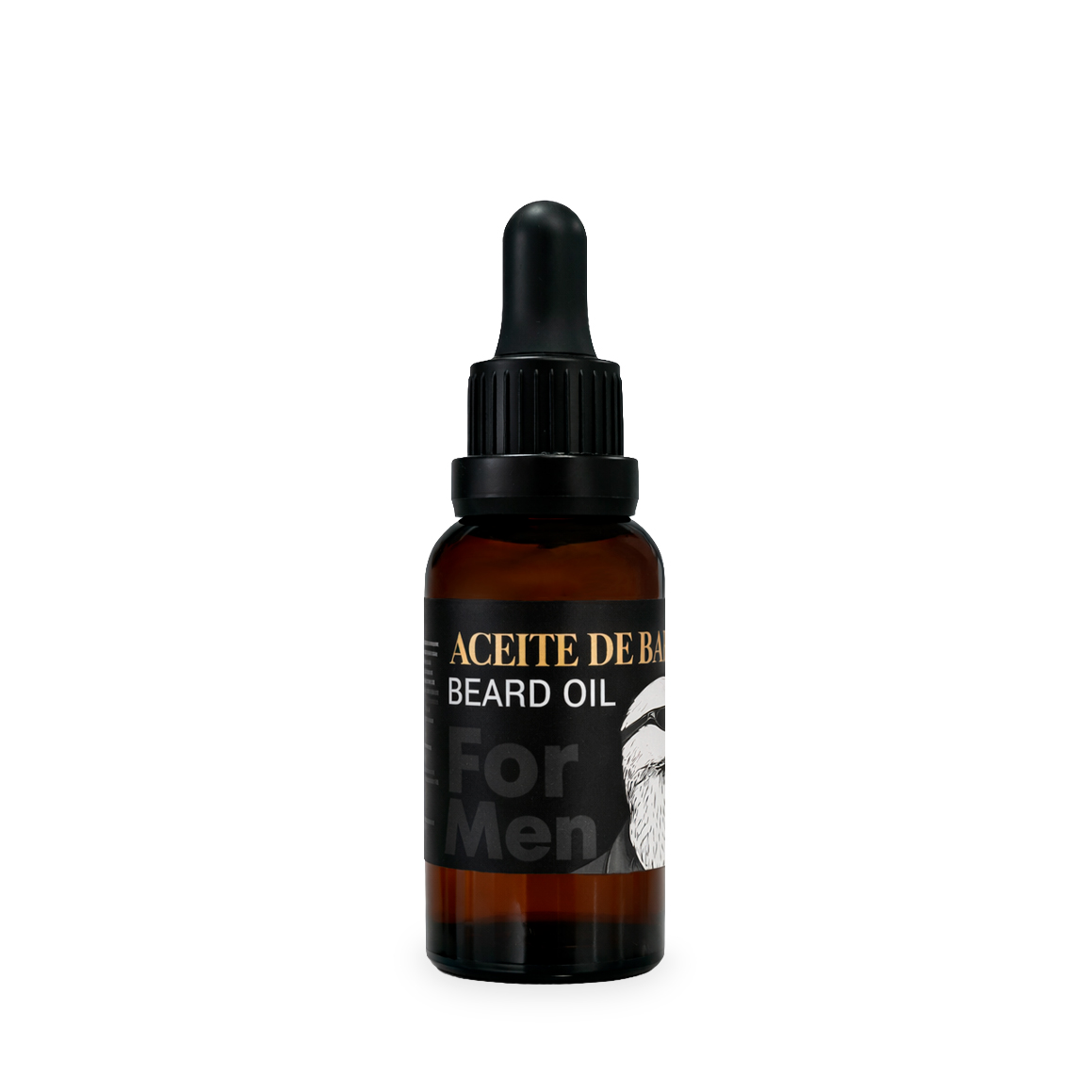
Colección For Men
Descubre el pack completo o sus productos
The Post-Summer Dilemma
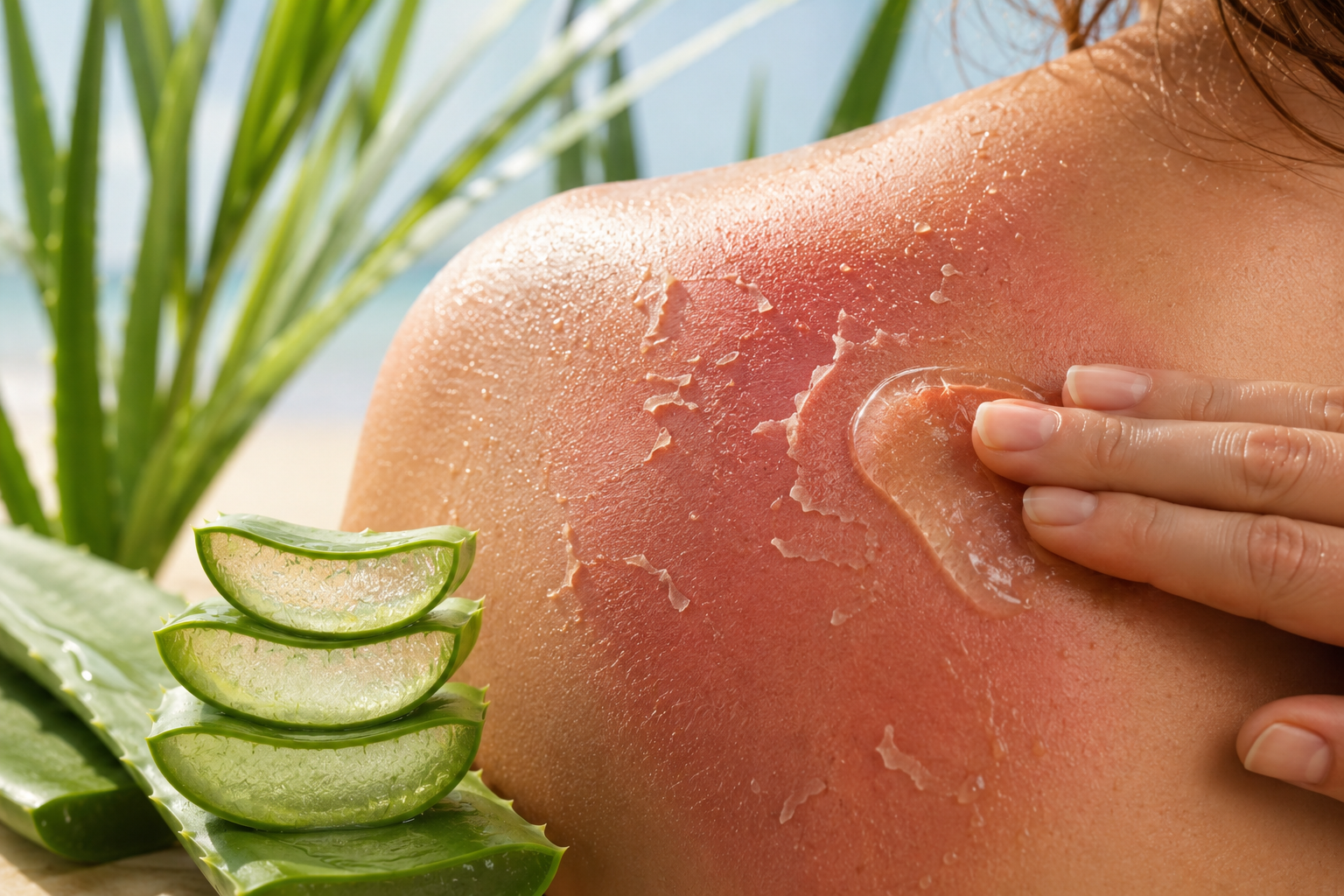
Summer is synonymous with sun, beach, and unforgettable moments. However, sometimes overexposure to solar radiation can manifest as skin discomfort. While prevention is always our best ally, if your skin has received excess sun, we suggest a care plan designed to promote calmness, support natural regeneration, and restore skin well-being.
The most recommended way to feel relief is to reduce the temperature of the affected area. You can use cool water compresses or take a gentle shower with lukewarm water, always seeking to avoid extreme temperatures.
We suggest avoiding the direct application of ice on the area, as extreme cold could be counterproductive for skin requiring delicate care.
After intense sun exposure, the skin appreciates light and fresh textures that help soothe tightness. We recommend looking for formulas containing botanical ingredients such as aloe vera or calendula, known for their soothing properties.
We recommend choosing fluid textures initially, avoiding very dense products that may hinder the skin’s natural breathability in the first few hours.
Skin well-being begins with internal balance. Maintaining proper hydration by drinking fluids throughout the day helps our cells have the necessary resources to maintain their vitality.
While the skin shows signs of sensitivity, it is advisable to avoid direct sun exposure. Wearing loose clothing made of natural fibers, such as cotton, can provide extra comfort. If you need to go out, prioritizing sunscreen on unaffected areas is a highly recommended practice.
In case blisters appear, we suggest not manipulating them. This fluid is a natural defense mechanism that acts as protection for the healing skin underneath. Keeping them intact helps reduce risks and favors a smoother recovery process.
When the skin is in the process of renewal, it is extremely sensitive. The use of physical or mechanical exfoliants under these conditions might not be beneficial and could potentially irritate the healing tissue.
When the skin begins its natural peeling process, we suggest avoiding physical exfoliants or aggressive friction techniques, as they could compromise the integrity of the new skin. Ideally, keep the area hydrated and wait for the skin to complete its renewal cycle autonomously. Once recovered, milder exfoliation methods can be introduced gradually.
Skin care is also supported by balanced nutrition. Including foods rich in antioxidants, beta-carotene, and vitamin C (such as fresh fruits and vegetables) in your diet is an excellent way to promote cellular well-being from within.

In summary: Your skin has a great capacity for recovery. With patience, pampering, and proper care, you can help improve its state and promote its balance. Making this ritual a daily moment of calm is the best gift for your skin.
Take care of your skin, it accompanies you always!