Sin categorizar
The Impact of Natural Cosmetics on the Environment

August 26, 2024
Share:
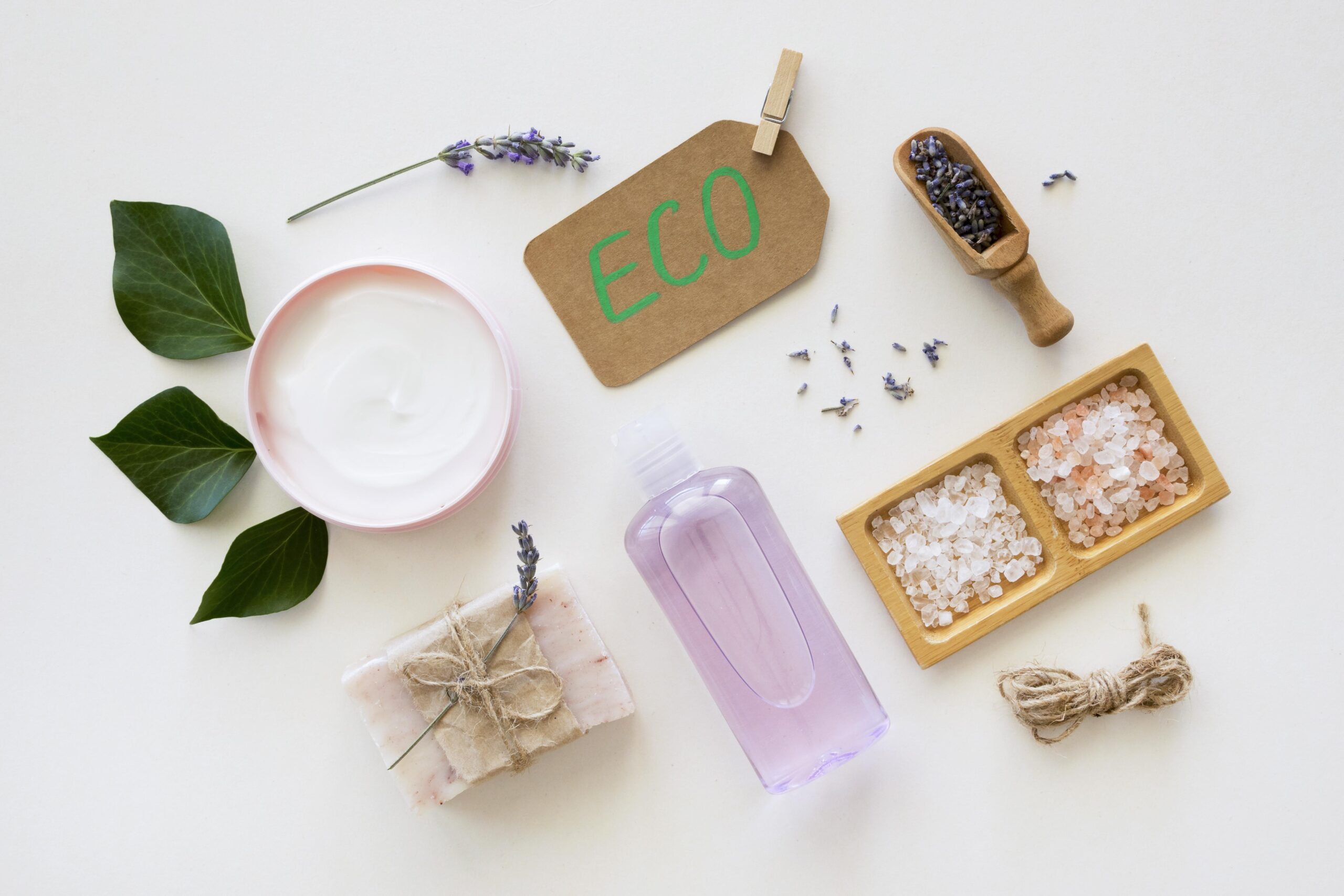
Natural cosmetics have gained popularity in recent years, not only for their skin benefits but also for their reduced environmental impact. As consumers become more aware of the environmental effects of their choices, the preference for natural and organic beauty products is on the rise. This shift in the cosmetics industry not only responds to growing demand but also represents a significant step toward a more sustainable future.
Conventional cosmetics have dominated the market for decades, but their production and use can have harmful effects on the environment. Some of the main problems include:
In contrast, natural cosmetics are based on ingredients derived from plants and minerals, which are generally less harmful to the environment. Some of the advantages of natural cosmetics include:
Several brands have led the way towards a more sustainable cosmetics industry, demonstrating that it is possible to offer high-quality products without compromising the environment.
Lush is known for its radically eco-friendly approach. The brand uses fresh, organic ingredients in its products and strives to reduce packaging, offering many of its products in solid form without any packaging. Furthermore, Lush is actively involved in environmental conservation campaigns and supports sustainability projects worldwide.
Weleda is a pioneer in natural and organic cosmetics. The brand uses biodynamic and organic ingredients, grown in its own sustainable gardens. Weleda also promotes biodiversity and maintains a strong commitment to environmental protection in all its operations.
Cosmonatura focuses on the purity of its ingredients, using only the most natural and organic ones. Its packaging is recyclable and reusable, and the brand is committed to sustainable production, minimizing its environmental impact.
Every time you choose a beauty product, you’re making a decision that goes beyond personal care; you’re influencing the environment. Opting for natural cosmetics has several environmental benefits:
The impact of natural cosmetics on the environment is significant and positive compared to conventional cosmetics. By choosing natural products, you’re not only caring for your skin more safely, but you’re also contributing to protecting the planet. As more consumers opt for natural cosmetics, the industry will have to adapt, leading to a greener and more sustainable future for everyone.